

Summit Shield Roofing
Roof Insurance Claim Guide for Central Mississippi
Considering a roof insurance claim? We inspect the roof, photograph and document the damage, prepare a roofing scope, and communicate about the roofing scope when appropriate. Coverage and claim decisions are made by your insurer under your policy.
✓ Get the facts before you file.
Not sure if you have claimable damage? Start with a roof inspection.
Our Role
What Summit Shield Does — and What We Don't
Summit Shield Roofing is a roofing contractor, not a public adjuster, insurance adjuster, or legal representative. We don't interpret your insurance coverage, negotiate your policy rights, or guarantee any claim outcome.
What we can do is inspect the roof, photograph and document observed damage, prepare a roofing scope or estimate, perform the roofing work, and communicate about the roofing scope when appropriate. Coverage and claim decisions are made by your insurer under your policy.
What We Can Do
What Your Insurer Decides
When to Consider a Claim
When Homeowners Commonly Consider an Insurance Claim
Not every roof problem is an insurance matter. Here are the situations where a claim may make sense.
After a Severe Storm
Wind, hail, or a fallen limb has caused sudden, visible damage. This is the most common reason homeowners file a roof claim.
Storm Roof DamageShingles Blew Off
A storm has blown shingles off the roof, exposing the underlayment. Wind damage is often the type of loss policies cover.
Missing ShinglesA New Leak After Weather
Water appeared inside after a storm. If the leak traces to storm damage, it may be a covered loss.
Roof Leak GuideHail Damage Suspected
You've heard hail hit the roof or found granules in the gutters. Hail can crack shingles in ways that aren't visible from the ground.
Storm Roof DamageA Tree Fell on the Roof
A limb or tree has impacted the roof. Tree impact is often a covered loss, but the cause and your policy terms determine what applies.
Storm Roof DamageAn Adjuster Is Coming
Your insurer has scheduled an adjuster visit and you want a roofing scope and documentation ready beforehand.
Roof Inspection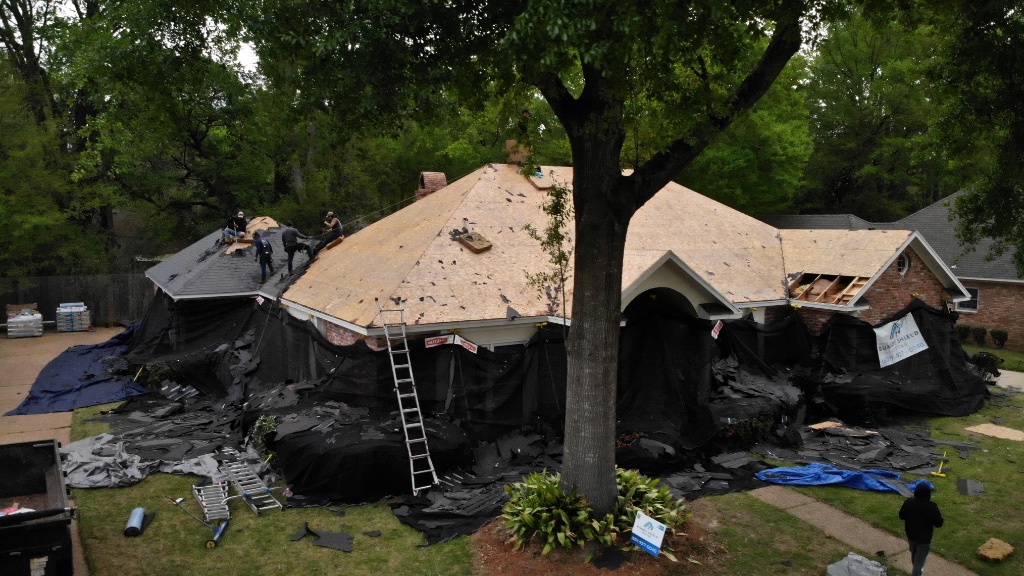
Documentation
Inspecting and Documenting Roof Conditions
Before you file a claim, it helps to know what's actually on your roof. We get on the roof, inspect the shingles, flashing, vents, valleys, and penetrations, and photograph everything we find. We look in the attic for signs of water entry. Then we document the condition — what's damaged, what caused it, and what the repair looks like.
That documentation serves two purposes. It helps you decide whether a claim makes sense before you file. And if you do file, it gives you photos and a roofing scope that describe what a contractor sees on the roof — which can be useful when the adjuster inspects.
Learn about our roof inspection processWhat We Document
Two Different Roles
Contractor vs. Insurance Adjuster: Who Does What?
Understanding the difference helps you know what to expect from each party during a claim.
Roofing Contractor (Summit Shield)
Insurance Adjuster (Your Insurer)
We're the contractor. We document what we see and do the roofing work. Your insurer makes the coverage and settlement decisions under your policy.
Why Call a Roofer First?
The Order Matters
Should I Call a Roofer or Insurance First?
In most cases, it makes sense to call a roofer first. A contractor can inspect the roof, identify the cause of the damage, and document it with photos — before you contact your insurer. That way, you know what's on your roof and whether the damage is the type that insurance typically covers before a claim is filed.
Filing a claim that's later denied can still appear on your policy history. Knowing what's on the roof first helps you make a better decision. If the damage is minor and below your deductible, you may decide not to file. If it's significant, you'll have documentation ready when you do.
The Process
What Happens After a Claim Is Opened
A general overview of the roof insurance claim process. Your insurer's specific process may vary.
You Report the Damage
You contact your insurer and report the roof damage. They open a claim and assign an adjuster.
The Adjuster Inspects
The insurance adjuster inspects the roof, assesses the damage, and determines coverage under your policy.
Coverage Is Determined
Your insurer decides whether the damage is covered and, if so, calculates the settlement based on your policy terms.
Repairs Are Completed
If approved, the roofing work is performed. We handle the repair or replacement based on the agreed scope.
Ready to file or already filed? See our insurance claims service page →
Basic Concepts
Deductible and Depreciation: The Basics
Two terms come up in almost every roof insurance claim: deductible and depreciation. Understanding them at a basic level helps you know what to expect.
These are general, educational descriptions. How they apply to your specific claim depends on your policy, your insurer, and the specifics of your loss. We can explain what we see on the roof, but we don't interpret your coverage or calculate your settlement — your insurer does that under your policy.
Deductible
The amount you're responsible for paying before insurance contributes. It's set in your policy. If your deductible is $1,000 and the covered repair costs $8,000, your insurer pays based on the remaining amount after your deductible is applied. If the repair cost is below your deductible, a claim may not make sense.
Depreciation
The decrease in value of the roof due to age and wear. Some policies pay the actual cash value (which accounts for depreciation) upfront and may release additional recoverable depreciation once the work is completed. How this works depends entirely on your policy terms — your insurer calculates it, not us.
Repair vs. Replace
Repair or Replacement After Storm Damage
Storm damage is usually repairable. If a storm damaged a specific area but the rest of the roof is sound, a targeted repair is often the right call. We replace the affected shingles, fix the damaged flashing, and seal the area properly.
Replacement becomes the better option when the damage is widespread — hail across the entire surface, wind damage in multiple areas, or a roof that was already near the end of its life before the storm. We inspect first and give you an honest recommendation based on what we find. What your insurer covers is a separate decision made under your policy.
What usually means repair
What may mean replacement
Questions & Answers
Roof Insurance Claim FAQ
Common questions from homeowners across Flowood, Jackson, and Rankin County.
Does homeowners insurance cover roof damage?
It depends on the cause. Most homeowners policies cover sudden, accidental damage — like wind, hail, or a fallen tree — but generally do not cover damage from wear, age, or lack of maintenance. If your roof is old and simply wearing out, that's typically not covered. If a storm caused the damage, it may be. Your policy's specific terms, your deductible, and the cause of the damage all determine what applies. We can inspect and document the roof, but your insurer makes the coverage decision.
Does insurance cover wind damage to a roof?
Wind damage — shingles blown off, lifted, or creased — is often the type of sudden damage that homeowners policies cover. But the extent of the damage, your deductible, and your policy terms all matter. If the wind damage is minor and the repair cost is below your deductible, a claim may not make sense. If it's extensive, it might. We inspect and document the wind damage so you have real information before you decide whether to file.
Does insurance cover hail damage to a roof?
Hail damage is often covered by homeowners insurance because it's sudden and accidental. The key questions are whether the hail actually caused damage (not just cosmetic granule loss), how widespread it is, and whether the repair or replacement cost exceeds your deductible. We inspect the roof up close, photograph any hail impacts, and document the condition so you can make an informed decision. Your insurer determines coverage under your policy.
Does insurance cover missing shingles?
If shingles blew off in a storm, that's often covered as wind damage. If shingles are falling off because the roof is old and the seal has failed from age, that's typically a maintenance issue and may not be covered. The cause matters. We inspect the roof, assess why the shingles came off, and document what we find — but your insurer makes the coverage decision based on your policy.
Does homeowners insurance cover roof leaks?
It depends on what caused the leak. If the leak is from sudden storm damage — wind, hail, or a fallen limb — it may be covered. If the leak is from aging shingles, a worn-out pipe boot, or a maintenance issue, it typically isn't. The source of the water matters. We trace the leak to its source and document the cause, which helps you understand whether it's the type of damage your policy typically addresses.
Should I call a roofer or insurance first?
Most homeowners benefit from calling a roofer first. A contractor can inspect the roof, identify the cause of the damage, and document it with photos before you contact your insurer. That way, you know what's on your roof and whether the damage is the type that insurance typically covers before a claim is filed and recorded on your policy history. If the damage is minor and below your deductible, you may decide not to file at all. If it's significant, you'll have documentation ready when you do file.
Should I get my roof inspected before filing a claim?
Yes, in most cases. An inspection tells you what the damage is, what caused it, and what the repair looks like — before you file. That information helps you decide whether a claim makes sense. If the repair cost is below your deductible, filing may not be worth it. If the damage is extensive, you'll have photos and documentation ready to support the claim. Filing a claim that's later denied can still appear on your policy history, so knowing what's on the roof first helps you make a better decision.
How does a roof insurance claim work?
Generally, the process works like this: you report the damage to your insurer, they assign an adjuster to inspect the roof, the adjuster assesses the damage and determines coverage under your policy, and if approved, the insurer issues payment based on the scope of work and your policy terms (including your deductible and any depreciation). As a roofing contractor, we can inspect and document the roof before you file, prepare a roofing scope, and communicate about the roofing scope when appropriate — but the coverage decision and settlement are made by your insurer under your policy.
Reviews
What Homeowners Say
"Had a very professional experience with Summit Shield. The owner, Wyatt, walked me through the insurance claims process and answered every question I had — whether I was about damage to policy, Wyatt had me covered. Thank you Summit Shield!"
Bryson Davis
Ridgeland, MS
"We had storm damage and I knew it but I dreaded going through the insurance process but Wyatt handled all that and then some. Highly recommended two thumbs up!"
Jamie Kincade
Flowood, MS
"Absolutely blown away by the experience I had with this roofing company! Wyatt and Sam were incredible from start to finish. They helped me get a brand new roof at a very, very, very low cost — way more affordable than I ever expected. They were professional, honest, and made the whole process stress-free. The crew showed up on time, worked quickly, and left everything spotless. 10/10 service."
Clayton Ross
Jackson, MS
Before You File
Know What's on Your Roof Before You File
We inspect the roof, photograph and document the damage, and prepare a roofing scope — so you have real information before you decide whether to file a claim. No pressure, no upsell. Coverage and claim decisions are made by your insurer under your policy.